
Why SEO Matters So Much for Hospitality
Few industries are as dependent on local reputation and discoverability as hospitality. When someone is looking for a place to eat in an unfamiliar suburb, or researching restaurants for a special occasion, the first place they look is Google. The businesses that appear at the top of those results — with strong reviews, appealing photos, and clear information — are the ones that fill their tables.
Restaurant and cafe searches like "best Italian restaurant Melbourne", "brunch near me", and "restaurants open now Sydney" happen millions of times every day across Australia. SEO is what determines which businesses capture that intent.
The Unique SEO Challenges of Hospitality
- Highly competitive: Restaurant-dense areas like Melbourne's Fitzroy or Sydney's Newtown have dozens of businesses competing for the same search terms
- Multiple discovery platforms: Google, TripAdvisor, Zomato, Yelp, and social media all play a role
- Review sensitivity: A few negative reviews can dramatically impact click-through rates and bookings
- Seasonal and trend-sensitive: Menu changes, seasonal offerings, and food trends create ongoing content opportunities
Google Business Profile for Restaurants
For restaurants and cafes, the Google Business Profile is arguably even more important than for other businesses, because Google displays so much restaurant-specific information directly in search results.
Key elements for restaurant GBPs:
- Categories: Be specific. "Italian Restaurant", "Cafe", "Breakfast Restaurant" — not just "Restaurant"
- Menu: Add your menu directly to your GBP. Google displays menu items in search results.
- Attributes: Takeaway, dine-in, delivery available, outdoor seating, accepts bookings, LGBTQ+ friendly — fill out every attribute that applies
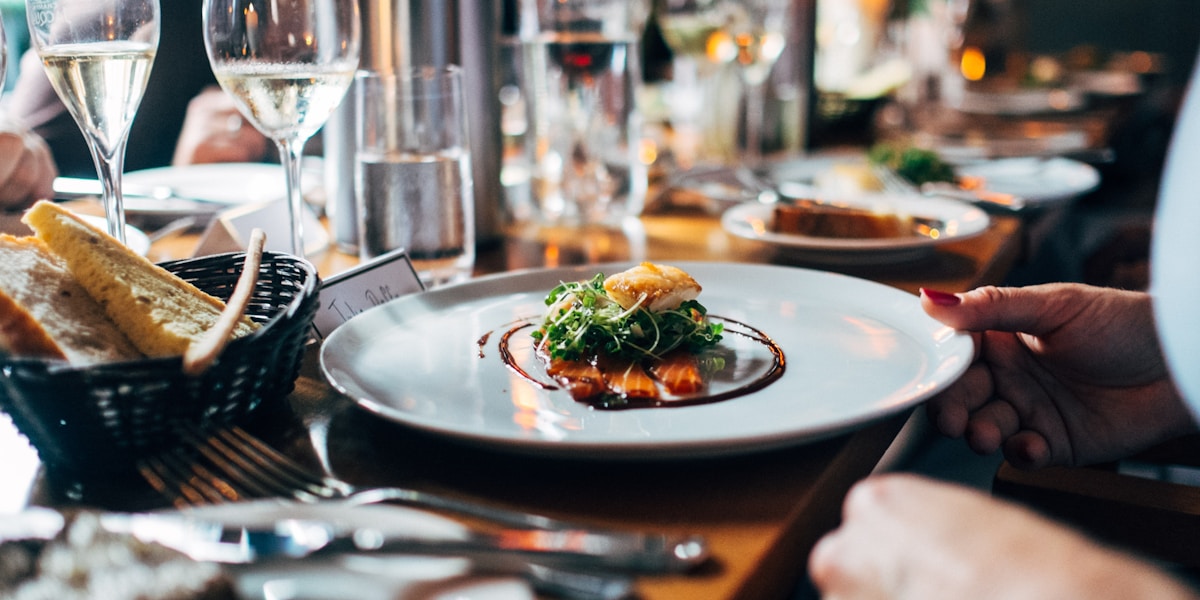
- Photos: High-quality food photos are critical. Professional food photography pays for itself in bookings. Upload 20+ photos and add new ones regularly.
- Booking link: Connect your reservation system (OpenTable, Dimmi, or your own booking system) directly to your GBP
- Popular times: Google displays busy periods automatically — use this to manage expectations
Review Strategy for Hospitality
Reviews are the hospitality industry's most powerful marketing asset — and most damaging liability. A proactive review strategy is non-negotiable.
Getting More Reviews
- Add a review request card or QR code to tables or with the bill
- Train front-of-house staff to mention reviews for genuinely happy customers
- Follow up on online orders or reservations with a review request
- Respond to every review within 24 hours, positive or negative
Handling Negative Reviews
Every restaurant gets negative reviews. What matters is how you respond. Always: remain professional and non-defensive; acknowledge the customer's experience; apologise for any shortcomings; invite them to return or discuss offline; never argue or dismiss their experience.
A well-handled negative review can actually build more trust than a positive review without a response.
Website SEO for Restaurants
Essential Pages
- Home page with clear location, cuisine type, and opening hours
- Dedicated menu page (HTML menu, not just a PDF — PDFs aren't indexed by Google)
- Reservation/booking page
- About page with the story, team, and philosophy
- Contact page with address, phone, parking info, and embedded Google Map
Local Keywords
Target both cuisine and location combinations: "Italian restaurant Fitzroy", "best pizza Melbourne CBD", "function venue Sydney CBD", "waterfront restaurant Brisbane". Also target occasion-based searches: "romantic restaurant date night Melbourne", "family friendly cafe Bondi".
Blog and Content Opportunities
Hospitality businesses have abundant content opportunities: seasonal menu launches, chef profiles and interviews, behind-the-scenes kitchen content, local ingredient sourcing stories, event announcements, food and wine pairing guides, local suburb guides featuring your business.
Managing Multiple Review Platforms
Australian diners check multiple platforms before booking. Beyond Google: TripAdvisor (essential for tourism-adjacent areas), Zomato, Yelp Australia, and Facebook reviews all contribute to your online reputation.
Use review management software to monitor and respond across all platforms from a single dashboard, rather than logging into each separately.
The Payoff
A restaurant with a strong Google Business Profile, 200+ positive reviews, active content strategy, and solid on-page SEO in a well-populated suburb can receive dozens of daily website visits and table bookings attributable directly to organic search — at no ongoing cost per booking. For hospitality businesses running on tight margins, this organic channel can be the difference between sustainable profitability and dependence on expensive third-party platforms.